If you are exploring strategies to support addiction recovery, cold therapy might offer more than just temporary relief. By applying cold temperatures through ice baths or specialized machines, you can address pain, inflammation, and stress—challenges common to recovery. This approach could improve both your physical and mental well-being in ways you might not expect. Curious about how controlled exposure to cold could fit into your recovery process? You can learn more about the benefits of cold therapy in addiction treatment here. Cold therapy, typically implemented through cold plunge baths maintained at temperatures of 50°F or lower, is utilized within the context of addiction recovery to enhance the connection between body and mind. Cold exposure, particularly through structured plunge sessions, serves as a therapeutic intervention that may facilitate both physical and mental clarity. In drug rehabilitation programs, cold immersion is integrated as part of a comprehensive treatment plan. For individuals seeking structured recovery options, Drug Rehab Centers in Akron, OH may offer specialized programs that incorporate this therapeutic approach. This practice can be included in both experiential and group therapeutic settings, applicable to inpatient programs as well as those tailored for veterans. Cold water exposure is associated with potential benefits such as the reduction of anxiety and depressive symptoms, heightened dopamine release, and increased mental resilience. It is essential that these cold exposure sessions commence under medical supervision, especially for individuals with chronic health conditions, to ensure safe participation and monitor any risks. Cold therapy should be understood as one component of a multifaceted approach to treatment, not a standalone solution. The efficacy of this method varies among individuals, with additional research needed to fully assess its long-term impacts on recovery outcomes. For more information on the benefits and application of cold therapy in recovery, visit [insert link here]. Cold water immersion elicits a variety of physiological responses that may be beneficial in the context of addiction recovery. Upon immersion in low-temperature water, the body initiates several mechanisms that could support recovery efforts. One significant effect is the release of endorphins and dopamine, which plays a role in restoring the reward system that is often disrupted by substance use. This release can contribute to an improved mood and potentially alleviate some of the symptoms associated with withdrawal. Additionally, exposure to cold water induces vasoconstriction, which reduces inflammation and can enhance circulation. Improved blood flow may facilitate recovery processes in the body, particularly in relation to physical health. For more insights into how cold exposure aids recovery, you can explore additional resources on the physiological effects of cold water. Furthermore, cold water immersion activates the parasympathetic nervous system, leading to a decrease in heart rate and a potential reduction in stress levels. This activation can assist individuals in developing better stress management strategies. In the broader context of treatment programs, cold immersion can serve as a tool for recalibrating the autonomic nervous system. This recalibration may aid individuals in managing uncomfortable physical sensations and cravings, supporting both physical and psychological aspects of recovery. In summary, while the physiological effects of cold water immersion show promise in aiding addiction recovery, it is important to consider this practice as part of a comprehensive treatment approach, rather than a standalone solution. Addiction recovery often entails numerous mental and emotional challenges. Incorporating cold therapy, such as cold plunge sessions or cold immersion, can contribute to more stable mood regulation and improved emotional resilience. This practice is associated with the stimulation of dopamine release, enhanced circulation, and modulation of the autonomic nervous system. Clinical studies indicate that cold exposure has the potential to alleviate symptoms of anxiety and depression by promoting physiological balance and fostering healthier cognitive patterns. Various treatment programs, including those focused on substance use disorders and veteran rehabilitation, have begun to integrate cold exposure as part of a comprehensive recovery strategy. These programs typically adopt a multi-faceted approach to support individuals in their recovery journey. You can learn more about these innovative practices and their benefits for emotional regulation in the context of addiction recovery in specialized resources. Additionally, experiential therapies like cold immersion can provide enduring benefits for mental health. By facilitating a more positive emotional state, this method may enhance an individual’s capacity to derive pleasure from healthy activities, potentially reducing the likelihood of reverting to substance use. Overall, while not a standalone treatment, cold therapy represents a valuable adjunctive tool in managing mental health symptoms associated with addiction recovery. In the context of addiction recovery, the importance of physical healing should be acknowledged. Cold plunge therapy, which involves regular exposure to cold water, can be integrated into a broader addiction treatment program, whether in inpatient drug rehabilitation or veterans rehabilitation settings. Research indicates that cold immersion therapy can reduce inflammation, enhance circulation, and facilitate muscle recovery. The physiological responses elicited by cold exposure activate the autonomic nervous system, contributing to improved heart rate regulation and increased blood flow. Additionally, cold therapy may stimulate the release of dopamine, which can alleviate pain. This is an important consideration for individuals managing substance use disorders or co-occurring psychological conditions. When administered under the supervision of qualified medical personnel, cold plunge sessions can contribute to both physical and mental resilience. By establishing healthy coping mechanisms through such measures, individuals may find alternative ways to manage stress without resorting to substance use. Given these benefits, the incorporation of cold plunge therapy in treatment protocols warrants consideration as a valuable component that supports overall recovery efforts. For those interested in learning more about the potential benefits of cold plunge therapy and its role in physical recovery and inflammation reduction, additional information can be found through various resources and studies dedicated to this therapeutic approach. Integrating cold therapy into addiction treatment programs offers a unique approach to managing stress and cravings, which are critical components of recovery. Cold water immersion activates the autonomic nervous system, leading to physiological changes that can stabilize involuntary bodily functions such as heart rate and blood circulation. Research indicates that exposure to cold can induce the release of dopamine, a neurotransmitter associated with feelings of pleasure and reward. This response may enhance mental clarity and alleviate symptoms of anxiety and depression, common challenges faced by individuals in recovery. To learn more about the benefits of cold therapy in addiction treatment, visit [Cold Therapy's Role in Managing Stress and Cravings](#). Incorporating cold plunge sessions into treatment regimens, such as detoxification or dual diagnosis programs, may foster mental resilience and disrupt habitual thought patterns associated with cravings. This approach contributes to a holistic recovery framework, addressing both the physical and psychological aspects of addiction. While additional research is warranted to further understand the full implications of cold therapy, its potential benefits in supporting recovery processes are becoming increasingly recognized within the field. Cold plunge therapy has been shown to have a significant impact on the autonomic nervous system. This therapy can lead to improvements in sleep, mood, and daily functioning, especially for individuals in addiction recovery. Regular exposure to cold water is believed to help regulate involuntary bodily functions, stabilize heart rate, and enhance overall physical and mental health. The physiological effects of cold plunge therapy include increased circulation and the stimulation of dopamine release. This may play a role in alleviating symptoms of anxiety and depression, which are often prevalent in drug rehabilitation and detoxification environments. Improved sleep patterns and enhanced mental clarity can facilitate greater engagement in inpatient treatment programs, group therapy sessions, and various healthy activities. For more information on how cold plunge therapy can benefit recovery and well-being, visit [relevant link]. It is crucial to note that the implementation of cold plunge therapy should be conducted under the supervision of medical professionals. They can provide guidance to ensure that this approach is safe for the majority of individuals. This can promote a sustainable recovery process without reliance on substances. The integration of such therapeutic interventions may play a role in fostering a comprehensive recovery strategy. The field of addiction treatment is increasingly incorporating innovative approaches alongside established evidence-based methods. One such method is cold therapy, which can be integrated with traditional drug rehabilitation programs, group therapy, and medical supervision. The rationale behind this integration lies in the physiological and psychological benefits associated with cold exposure. Research indicates that cold water immersion can stimulate the release of dopamine, a neurotransmitter that plays a key role in mood regulation and reward pathways. Additionally, it may strengthen the autonomic nervous system, which is involved in stress response and overall physiological regulation. These effects can contribute to enhanced mental resilience and stress relief, potentially providing valuable support in the recovery process from substance use disorders. For more information on how cold therapy can aid in addiction recovery, you can visit this link. Moreover, practitioners note that cold therapy may yield lasting benefits on mental health, helping to improve cognitive function and alleviate symptoms of anxiety and depression. These outcomes are particularly relevant in the context of recovery, where mental health plays a crucial role in maintaining sobriety and overall well-being. It is important to recognize that cold immersion therapy is generally considered safe for most individuals; however, its implementation should be part of a comprehensive therapeutic program tailored to the specific needs of each patient. As such, integrating cold therapy into addiction treatment protocols warrants careful consideration and should be guided by clinical best practices. Recognizing that recovery journeys are unique to each individual, effective addiction treatment necessitates the development of personalized plans that consider each person's health status and comfort with various therapeutic interventions, including cold plunge therapy. Upon entering a drug rehabilitation program, individuals are guided by medical staff through cold plunge sessions which are integrated into a comprehensive therapy plan. This plan typically combines cold exposure with other therapeutic modalities such as counseling, music therapy, or group experiential treatments. Professional supervision is a critical component of this approach, as it ensures the safety of participants by monitoring heart rate, autonomic nervous system responses, and other physiological indicators during cold immersion. Research indicates that this method can help alleviate symptoms of anxiety and depression, stimulate the release of dopamine, and strengthen mental resilience. Additionally, group therapy sessions play an essential role in fostering social support, which is a vital factor in promoting sustained recovery from alcohol or substance use disorders. This integration of cold plunge therapy within a structured therapeutic framework underscores the importance of personalized care and professional oversight in the pursuit of effective addiction treatment. For more details on the therapeutic benefits and personalized approaches to addiction treatment, you can visit [this informative link](https://www.example.com). By prioritizing individualized plans and ensuring professional supervision, addiction treatment can holistically address the complexities faced by individuals on their path to recovery. Effective participation in cold therapy requires careful consideration of safety measures aimed at protecting both physical and mental health. It is advisable to start with brief cold plunge sessions lasting between 30 seconds to 1 minute, gradually increasing the duration based on individual tolerance levels. Individuals with pre-existing heart conditions or chronic health issues should seek guidance from a medical professional prior to engaging in cold therapy. In controlled environments, such as inpatient drug rehabilitation programs, professional supervision is essential. This oversight can provide immediate medical assistance should any adverse physiological responses arise, including irregular heart rates or discomfort. For more information on safe cold therapy practices, you can visit this [link](https://www.example.com). It is important to note that cold therapy may not be suitable for everyone. Therefore, it is crucial to review your treatment plan and discuss potential alternatives with your healthcare provider. When integrated as part of a comprehensive detoxification and recovery strategy, cold immersion can contribute to promoting overall health and well-being. When you are navigating addiction recovery, incorporating cold therapy can offer both physical relief and psychological support. As you embrace techniques like ice baths or cryotherapy, you will find improved mood, reduced inflammation, and greater resilience against stress and cravings. Cold therapy is not a replacement for evidence-based treatments, but it can enhance your overall recovery process.
To learn more about the specific benefits and ways to implement cold therapy in your recovery, consider visiting this resource. Always work with qualified professionals who will ensure your safety and tailor cold therapy to your individual needs, maximizing benefits during your recovery journey.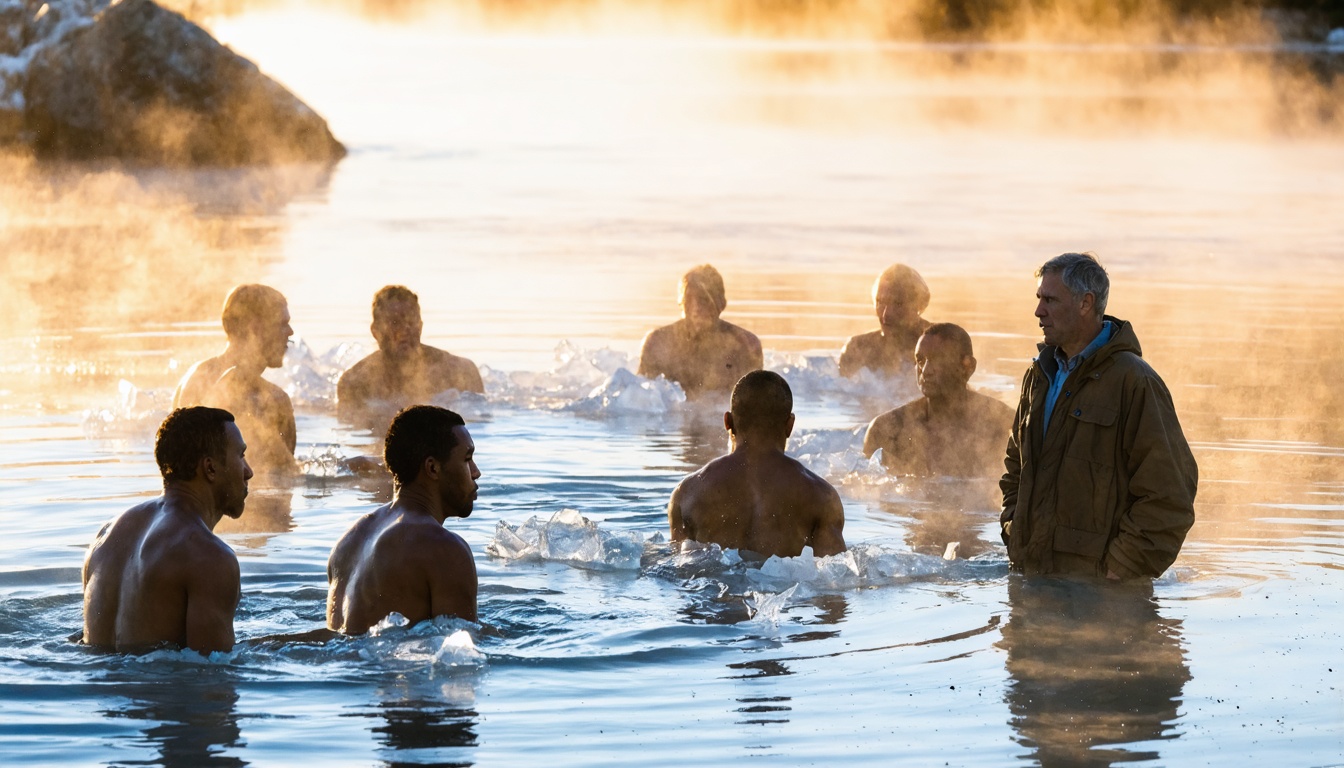
The Benefits of Cold Therapy in Addiction Treatment
Understanding Cold Therapy and Its Application in Recovery
Physiological Effects of Cold Water Immersion
Impact on Mental Health and Emotional Regulation
Enhancing Physical Recovery and Reducing Inflammation
Cold Therapy’s Role in Managing Stress and Cravings
Improving Sleep, Mood, and Daily Functioning
Integrating Cold Therapy with Evidence-Based Treatment Approaches
Customized Recovery Plans and Professional Supervision
Safety Measures and Considerations for Cold Therapy Participants
Conclusion

PLUS Receive Our FREE Newsletter |